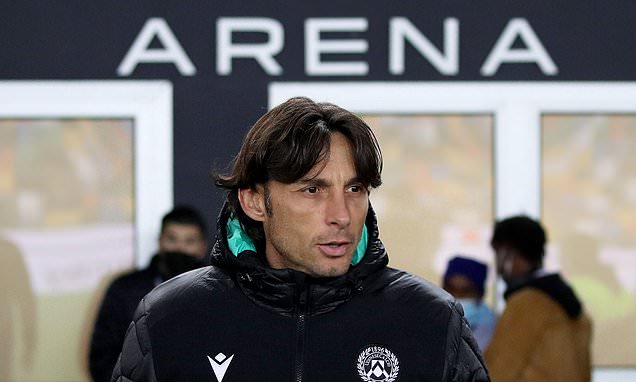
The air in Salerno is thick with a potent mix of anxiety, frustration, and a desperate hope. Football club Salernitana finds itself precariously perched on the precipice of relegation, facing what local media and fans alike are calling a profound crisi salernitana. With precious few games remaining, every kick, every pass, and every point carries the weight of an entire season, threatening to drag the storied Granata into the abyss of lower divisions or, at best, into the dreaded playout lottery. The team needs urgent points, and the clock is ticking.
The Deepening Crisi Salernitana: A Call for Urgency
The current predicament is not a sudden storm but the culmination of weeks, if not months, of simmering discontent and concerning performances. The term crisi salernitana isn't just a buzzword; it encapsulates a multifaceted problem spanning player motivation, tactical execution, and managerial stability. The club's recent form has seen them lose ground to direct rivals, turning what seemed like a manageable situation into a full-blown emergency.
Recent defeats, particularly the painful loss in the Caserta derby, have stripped away any remaining illusions about the team's condition. Fans have voiced their dismay, describing the team as "spenta" (熄滅, dull/lifeless) and lacking "mordente" (bite or determination). This sentiment suggests a deeper issue than mere technical deficiencies; it points to a crisis of spirit and mental fortitude. In this critical phase, what Salernitana needs most is a collective awakening, a renewed sense of purpose that translates into tangible results on the pitch.
Fan Fury Reaches Boiling Point: Ultras Demand Action
The passion of Salernitana supporters is legendary, and their frustration has now reached a fever pitch. Just recently, approximately fifty ultras converged on the Mary Rosy sports center, where the team was undergoing its final preparations for an upcoming match. Their presence was not one of support, but of protest. Chants of anger and disappointment filled the air, with a clear message directed at the players: "tirare fuori gli attributi" – pull out your guts, or show some courage.
This isn't an isolated incident. The reference context highlights a similar protest earlier in the season, during Carnevale, when ultras left wigs attached to paper at the training ground, a symbolic gesture reflecting perceived theatricality or a lack of seriousness from the squad. These repeated demonstrations underscore the depth of the crisi salernitana from the perspective of its most loyal followers. "Meritiamo di più" (We deserve more) was another powerful chant, echoing the belief that a club with Salernitana's history and fanbase should not be languishing at the bottom. The fans are not just asking for wins; they are demanding effort, commitment, and a fighting spirit worthy of the Granata colours. You can read more about the fan's perspective on the situation in our article: Salernitana Ultras Protest: Team Lacks Fight Amidst Crisis.
The psychological impact of such protests can be a double-edged sword. While it can motivate some players to prove their detractors wrong, it can also add immense pressure, potentially leading to paralysis or further errors. For Salernitana, navigating this delicate balance between fan expectation and player performance is crucial for survival.
Crucial Fixtures and the Path to Survival: Analyzing the Battlefield
The road ahead is fraught with peril, but also offers opportunities for redemption. The upcoming match against Mantova, for instance, is not just another game; it's a potential turning point. While Mantova, with 40 points, isn't mathematically safe, they are a vibrant, free-scoring team, albeit one that concedes a fair number of goals. Playing them at the Arechi could be a "cure" for Salernitana, forcing them to engage fully without overthinking. The sheer desperation of the home side should, in theory, translate into a motivational advantage.
However, the danger lies in underestimating a team that, despite its defensive frailties, possesses an attacking verve. For Salernitana, this match demands not just passion, but tactical discipline and clinical finishing. The recent string of results has amplified the pressure: losses against La Spezia, combined with unexpected victories from rivals like Reggiana, Brescia, and even Mantova itself, have severely tightened the survival race.
The grim reality is stark: to even aspire to the playout spots, Salernitana needs a minimum of five points from their final three games, and ideally six, to secure a quarter-last or fifth-last position. This translates to at least one win and two draws, or two wins. Each remaining fixture is a final, a do-or-die encounter where complacency is not an option. The team needs to rediscover its "roar" and channel the collective energy of the Arechi into an unstoppable force.
The Coaching Carousel and Tactical Quandaries
A significant contributor to the ongoing crisi salernitana has been the instability in the dugout and what appears to be a perplexing player management strategy. The reference context details the precarious position of coach Giuseppe Raffaele, whose body language on the sidelines – full of exasperation and disbelief – mirrored the team's struggles. His public display of frustration, questioning "Com'è possibile? Come si fa?" (How is it possible? How can this be done?), highlighted a disconnect or loss of control.
The tactical choices and player selections have also come under scrutiny. The Cerignola match serves as a painful example, where Salernitana lost composure, became "litigious," and ultimately lost the game. Decisions like fielding Golemic, who hadn't played in a while, only to substitute him due to poor performance, or preferring Tascone over Carriero only for him to stay in the changing room, suggest a lack of a clear, consistent strategy. The mention of Ferrari, dropped for several games then brought back seemingly out of rhythm, further illustrates the disjointed approach. These "compromises" in team management have undoubtedly eroded player confidence and team cohesion.
The inevitable conclusion, as hinted in the references, is that a change on the technical bench seems unavoidable or has already occurred (with Cosmi's name being mentioned as a past option). The club reportedly considered internal solutions like Guglielmo Stendardo, the unbeaten Primavera coach, mirroring strategies seen at other clubs like Benevento. External, more experienced Serie B profiles like Pazienza, Pecchia, Faggiano, and D'Aversa were also on the club's radar, signaling a desperate search for someone to steady the ship. For a deeper dive into the coaching situation, read: Salernitana Coaching Crisis: Stendardo Eyed as Interim Solution.
Tips for Navigating a Coaching Change Amidst Crisis:
- Simplify Tactics: A new coach in a crisis often benefits from implementing a clear, simple game plan that players can quickly grasp and execute, focusing on defensive solidity and direct attacking.
- Boost Morale: Instilling belief and confidence is paramount. The coach needs to be a psychologist as much as a tactician.
- Identify Key Leaders: Empowering senior players to lead on and off the pitch can foster unity and self-accountability.
- Consistent Selection: While tactical flexibility is good, in a crisis, a consistent core lineup can help build understanding and rhythm.
The Road Ahead: Unity, Fight, and Tactical Clarity
The survival of Salernitana hinges on several factors converging positively in the coming weeks. First and foremost, there needs to be a profound shift in mentality. The players must internalize the urgency of the situation and channel the frustration of the fans into a fierce determination. The "squadra spenta" must transform into a fighting unit.
Secondly, tactical clarity is non-negotiable. Whether under a new coach or a revitalized incumbent, the team needs a coherent game plan that maximizes their strengths and minimizes their weaknesses. This includes a stable starting eleven that builds chemistry and understanding, rather than constant chopping and changing.
Finally, the home advantage at the Arechi must become a fortress. With supporters who are willing to voice their anger but ultimately crave success, harnessing that energy can be a formidable weapon. For Salernitana, the remaining games are not just about collecting points; they are about restoring pride, reaffirming their identity, and proving that the Granata spirit endures even in the darkest hours. The club, the team, and the city must unite as one to overcome this severe crisi salernitana and secure their place in the league.